
Alma_Proyect_Art
«Only through the awareness of death do we hasten to build the being we are meant to become.»
– Ana Claudia Quintana
The Origin of the Alma Project
In October 2013, a routine medical exam led me to seek an oncologist. That was when I met Dr. Maíra Atallah Monreal, a deeply compassionate doctor who explained every detail and possibility of my diagnosis, regardless of the stage of the cancer. Her empathy, as she shared that she had cared for her own mother in a similar situation, brought me comfort during a time of uncertainty.
After undergoing all the necessary tests, I informed my parents about my illness. My biggest concern was avoiding a look of doom from them, as if my fate had already been sealed. Calmly, I reassured them that everything was under control, though deep down, I was trying to protect them from the pain they might feel. Fortunately, I received constant support from friends, students, colleagues, and my partner at the time, who remains a great friend to this day.
On November 1, 2013, I underwent a total mastectomy with breast reconstruction, and my recovery went smoothly. I improved my eating habits and began lymphatic drainage therapy. In January 2014, I started chemotherapy, and one of my main concerns was how the treatment would affect my appearance, particularly the loss of my hair.
The year 2013 was marked by significant changes. I felt exhausted from overworking, faced family conflicts, and at 38 years old, I felt as though life had lost some of its spark. Although I loved teaching, I hadn’t painted in years, which left me feeling incomplete. In July, I visited my grandmother in Chile, seeking to reconnect with my roots. Upon returning to Brazil, I reduced my workload, adopted healthier habits, and began dreaming about the future again. It was during this moment of rediscovery that the illness emerged, presenting me with an unexpected challenge.
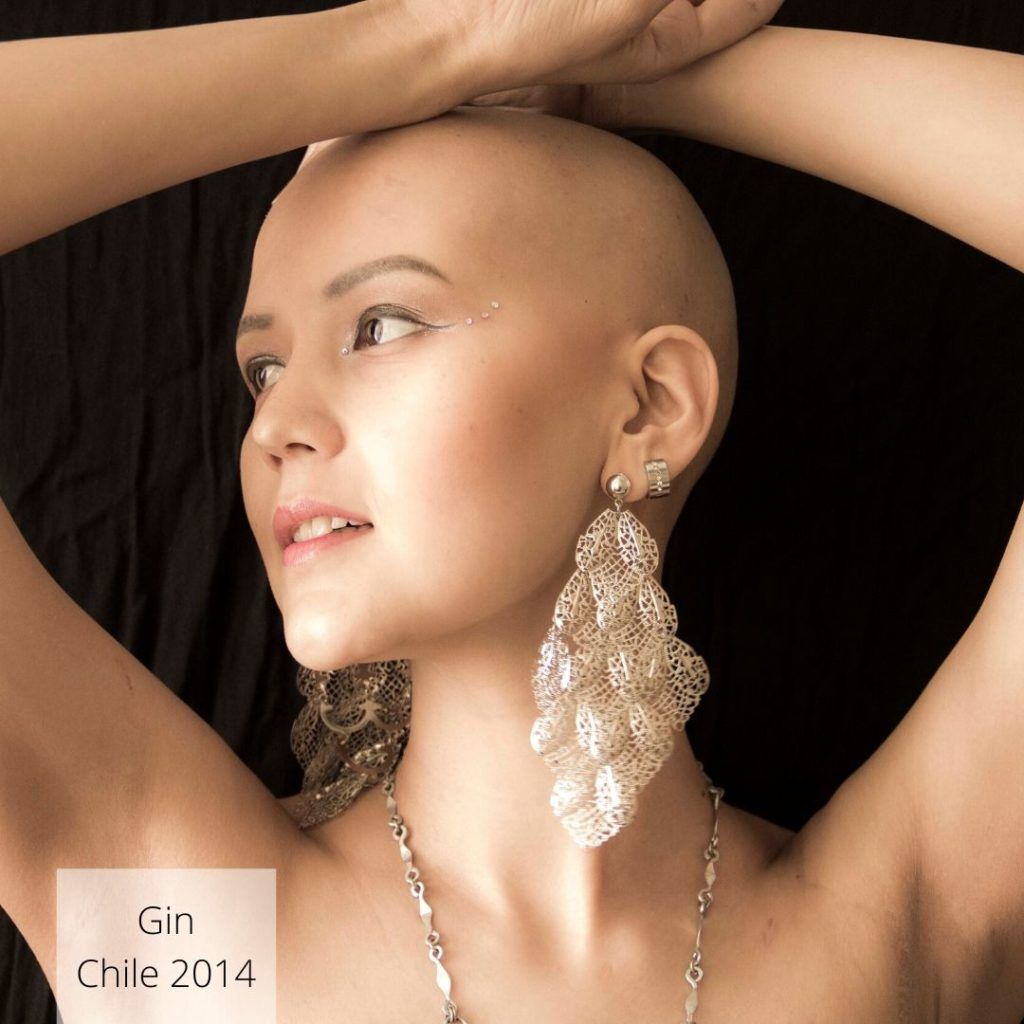
Chemotherapy affected not only my body but also my self-image. In December 2013, I decided to document my hair-cutting process in a photo session. This symbolic act helped me reframe my experience: despite external changes, I discovered that my essence remained intact, enriched by reflections and renewed energy.
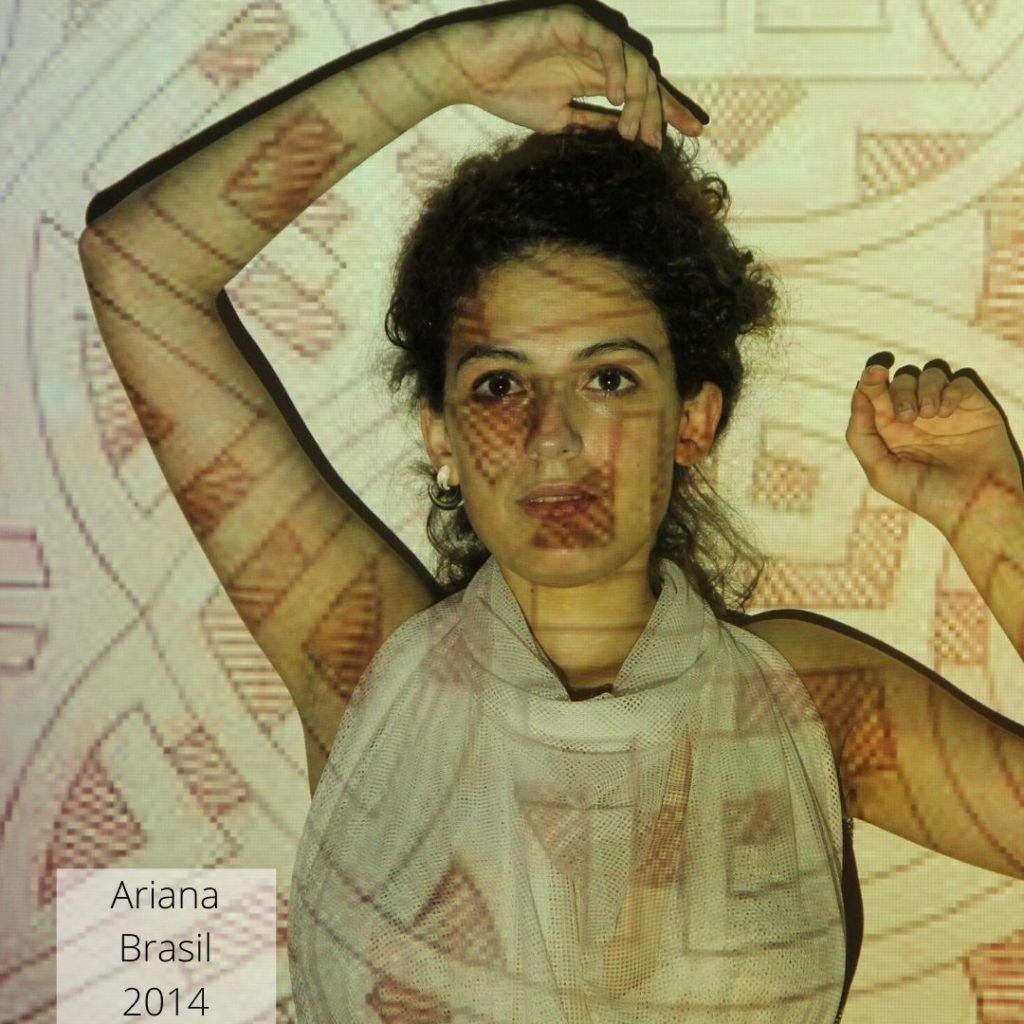
This moment marked the birth of the Alma Project. I felt the need to share this sense of well-being with other women facing similar challenges. Through social media and recommendations from healthcare professionals, I invited women to participate. My goal was to make them feel free, beautiful, and desired, regardless of whether their bodies conformed to society’s beauty standards.
The photography sessions were more than just capturing images—they became spaces for dialogue and connection. These experiences inspired me to document their reflections and journeys in audiovisual material, highlighting their resilience and love for life.
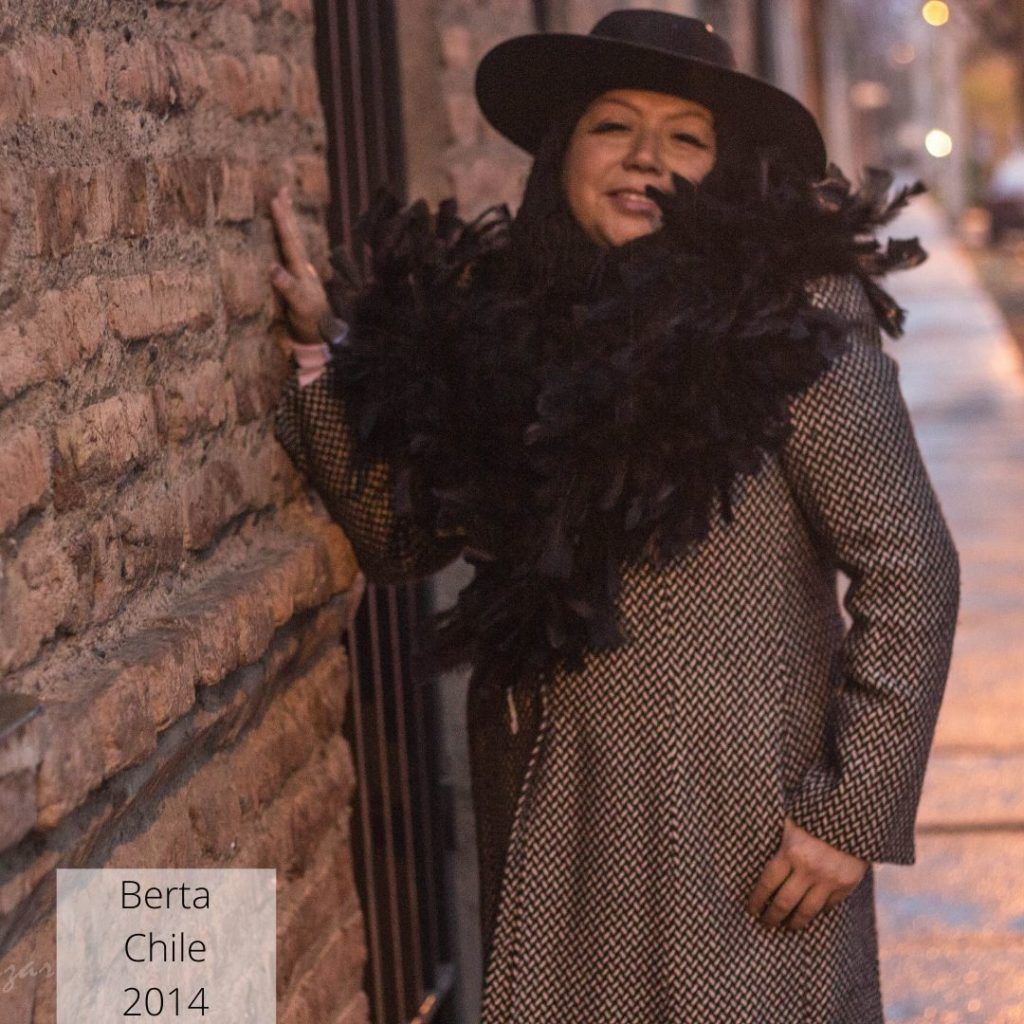
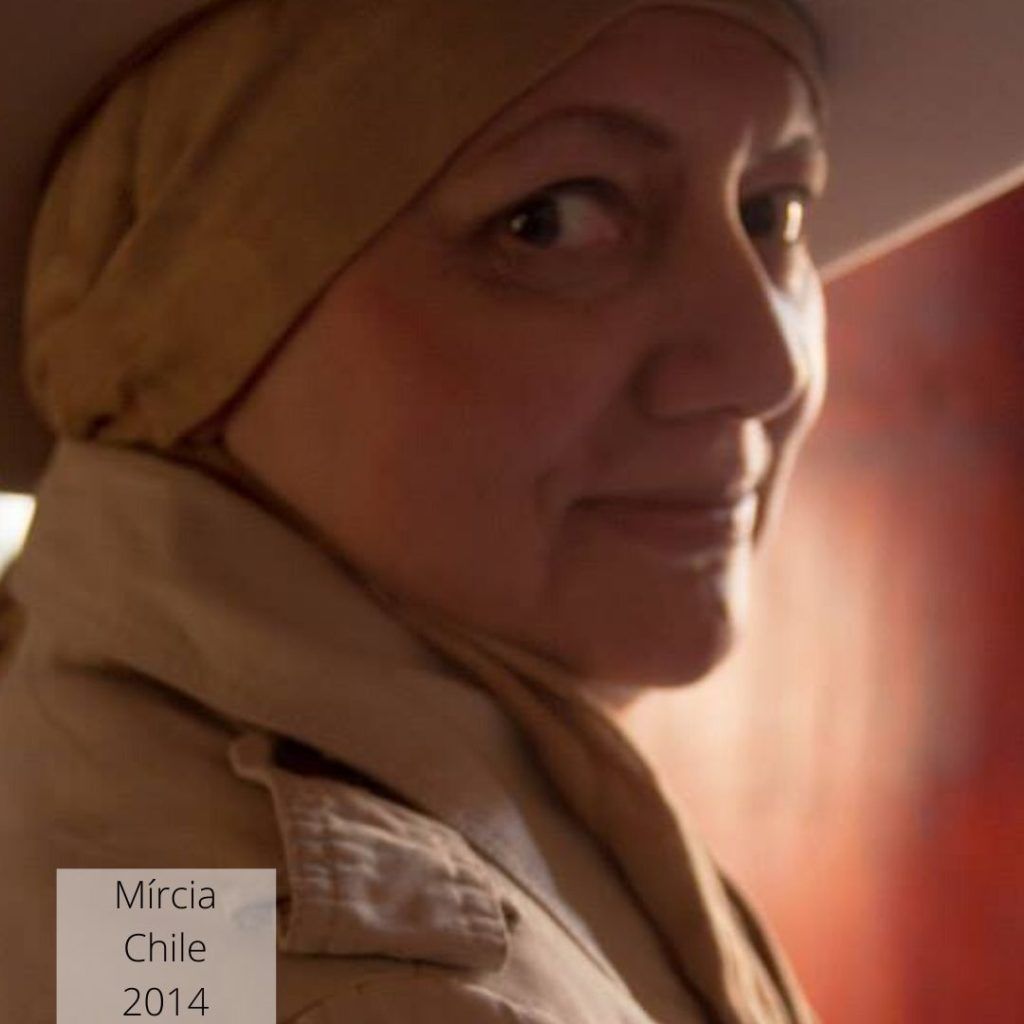
In 2014, between chemotherapy sessions, I began traveling to Chile, where I developed the project with Chilean women. This cultural exchange, which spanned different ages and perspectives, allowed me to explore how women from different backgrounds face adversity, love, life, and death.
The project also became a personal search for belonging. Returning to Chile allowed me to reconnect with my roots, while working with Brazilian and Chilean women revealed similarities: all of them shared a vital energy and a deep desire to live, each connected to their purpose.
In 2015, I decided to study painting in Europe and present the Alma Project. I arrived in Madrid in January 2017, aiming to expand the project’s reach, but I also faced personal losses. That year, my father passed away from prostate cancer, and I was unable to say goodbye due to being in Europe. This event reminded me of the suffering I had tried to spare my family during my own illness.
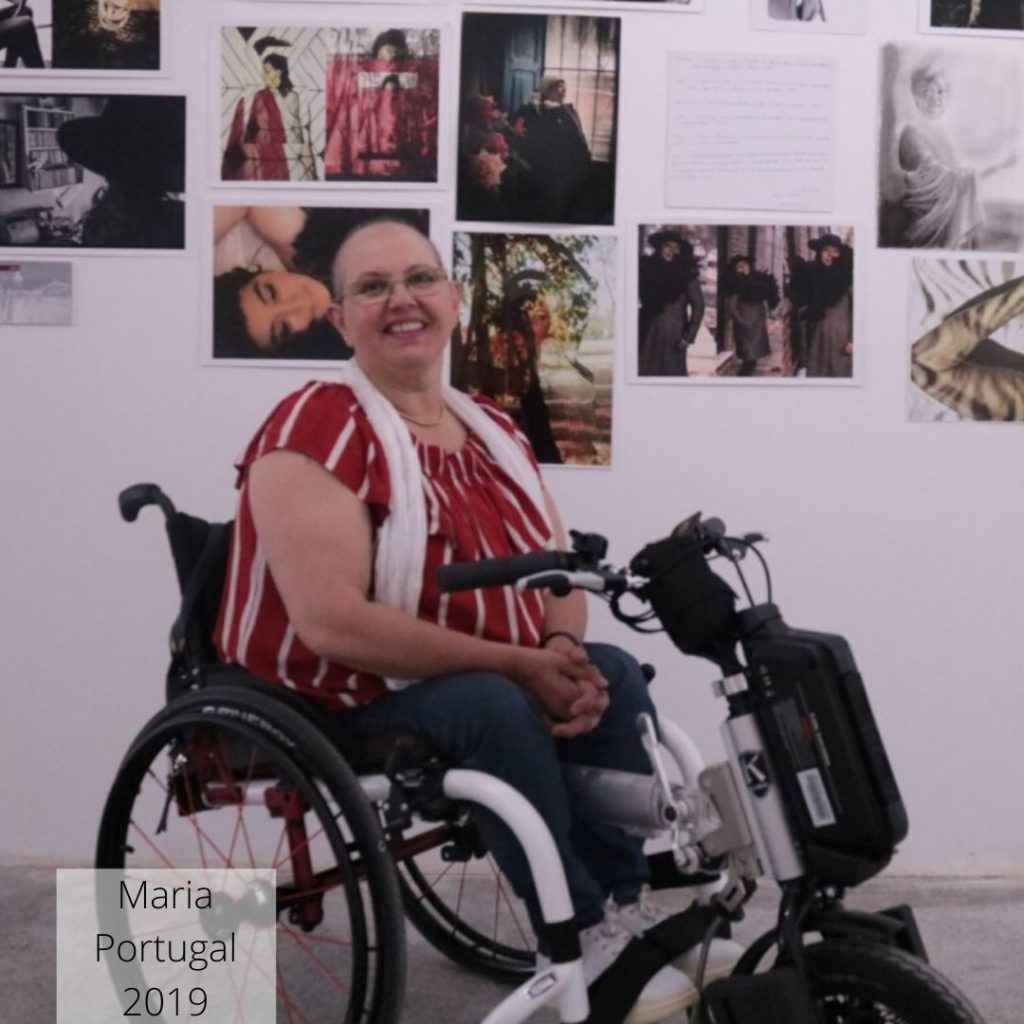
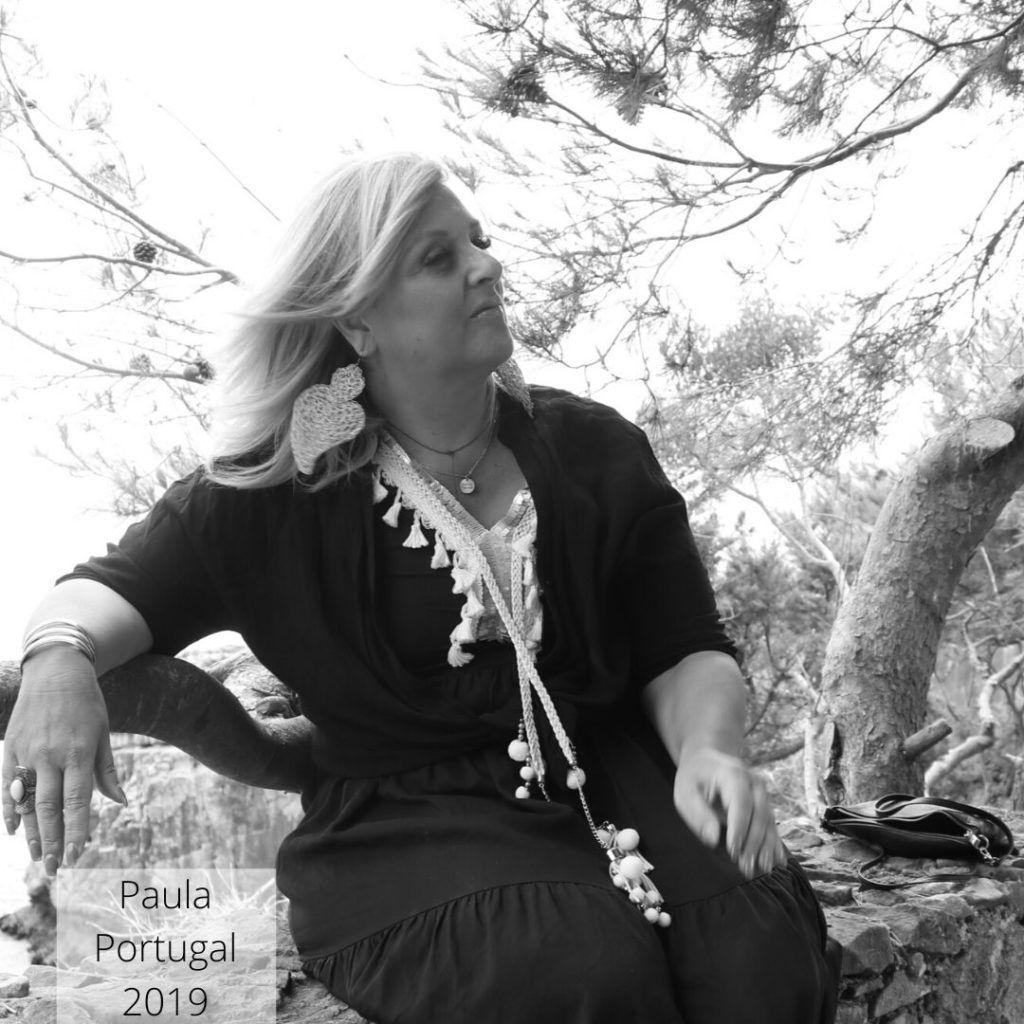
Since then, the project has evolved, including Portuguese and Spanish women, though not without challenges. In Portugal, I held three photography sessions, but the discussion around cancer remains taboo, and the pandemic in 2020 halted the project’s progress.
In Brazil, the production was intense, with the support of my students. In Europe, friends helped me facilitate interviews and photography sessions. Over time, I’ve come to understand that life’s pains are universal, but art remains a powerful tool to provide hope and foster a more human awareness.
The focus on Chilean, Brazilian, Portuguese, and Spanish cultures reflects the influences that have shaped my life. Each of these cultures, with their blend of European and indigenous roots, offers a unique perspective. Thus, the Alma Project is built as a «cultural and feminine square» that celebrates resilience, life, and the connection between women from different backgrounds.
Photography
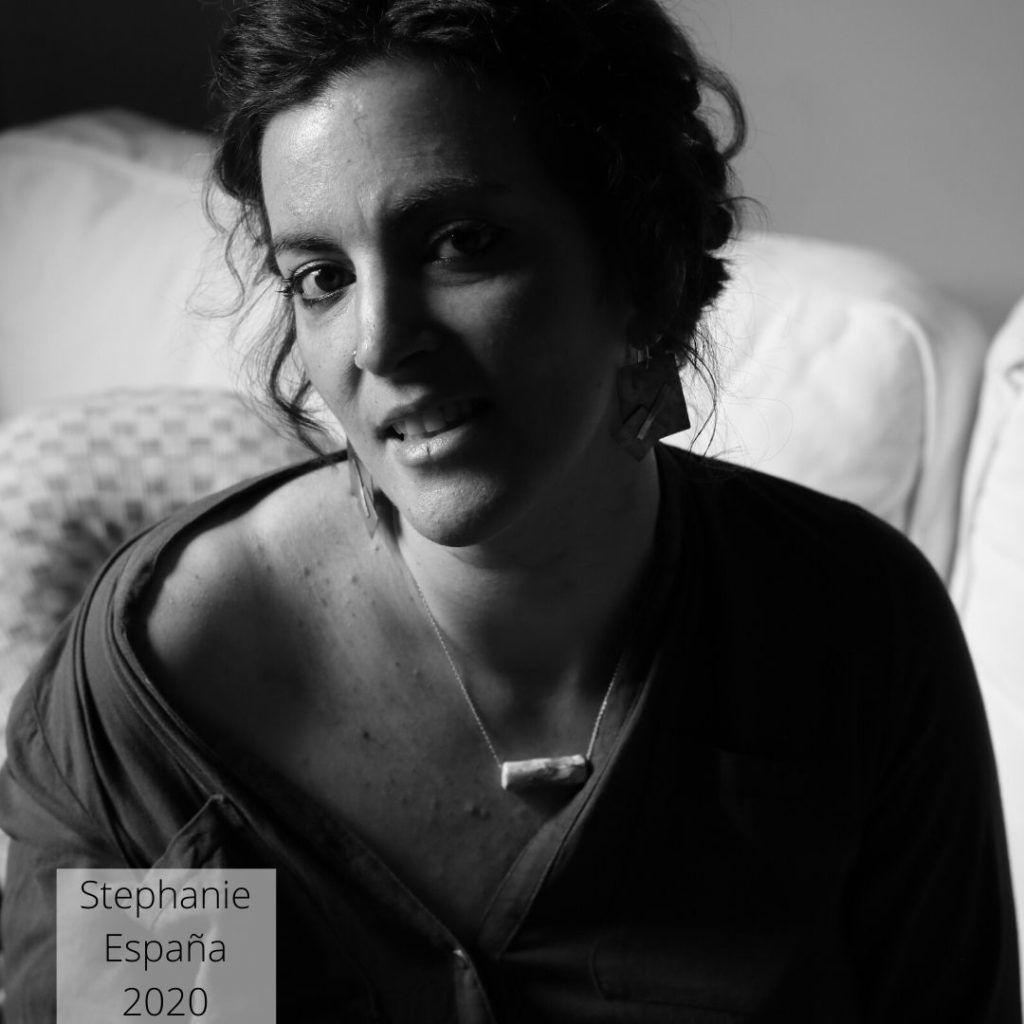
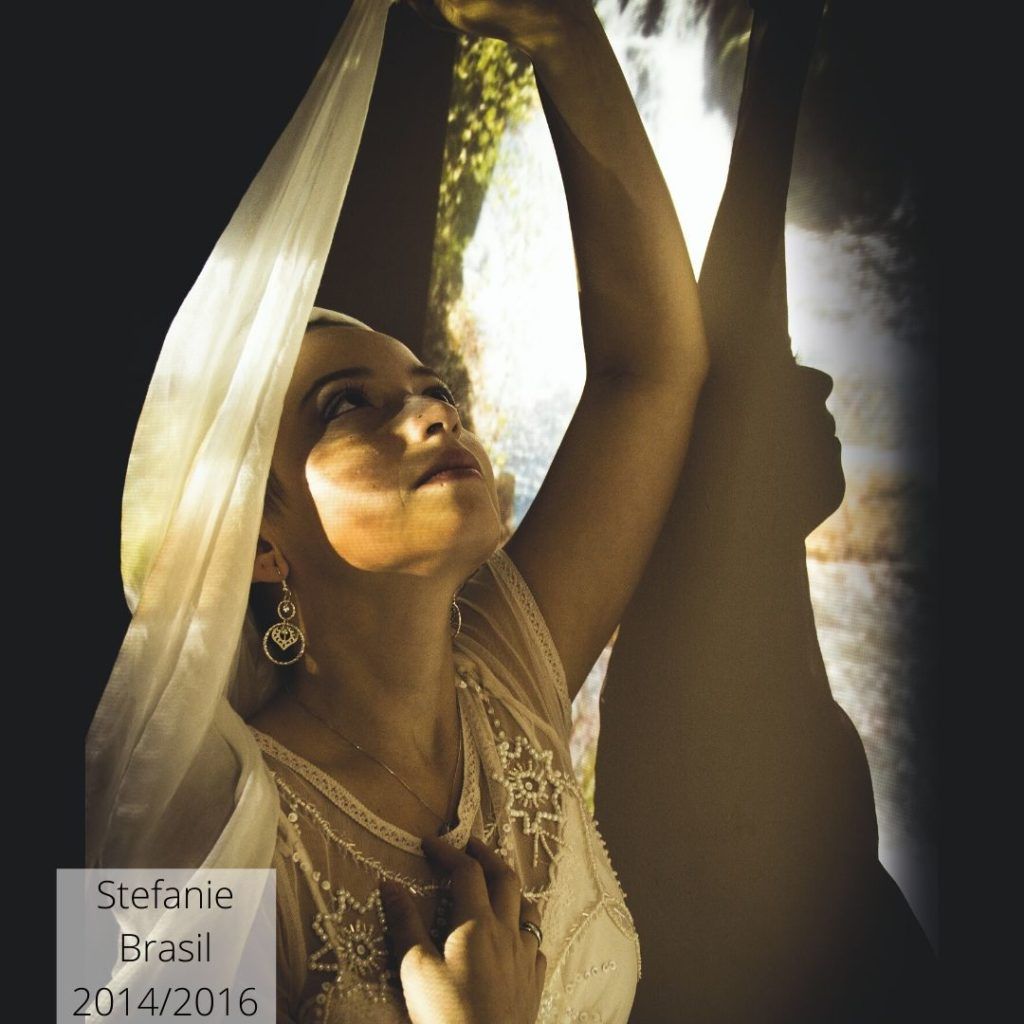
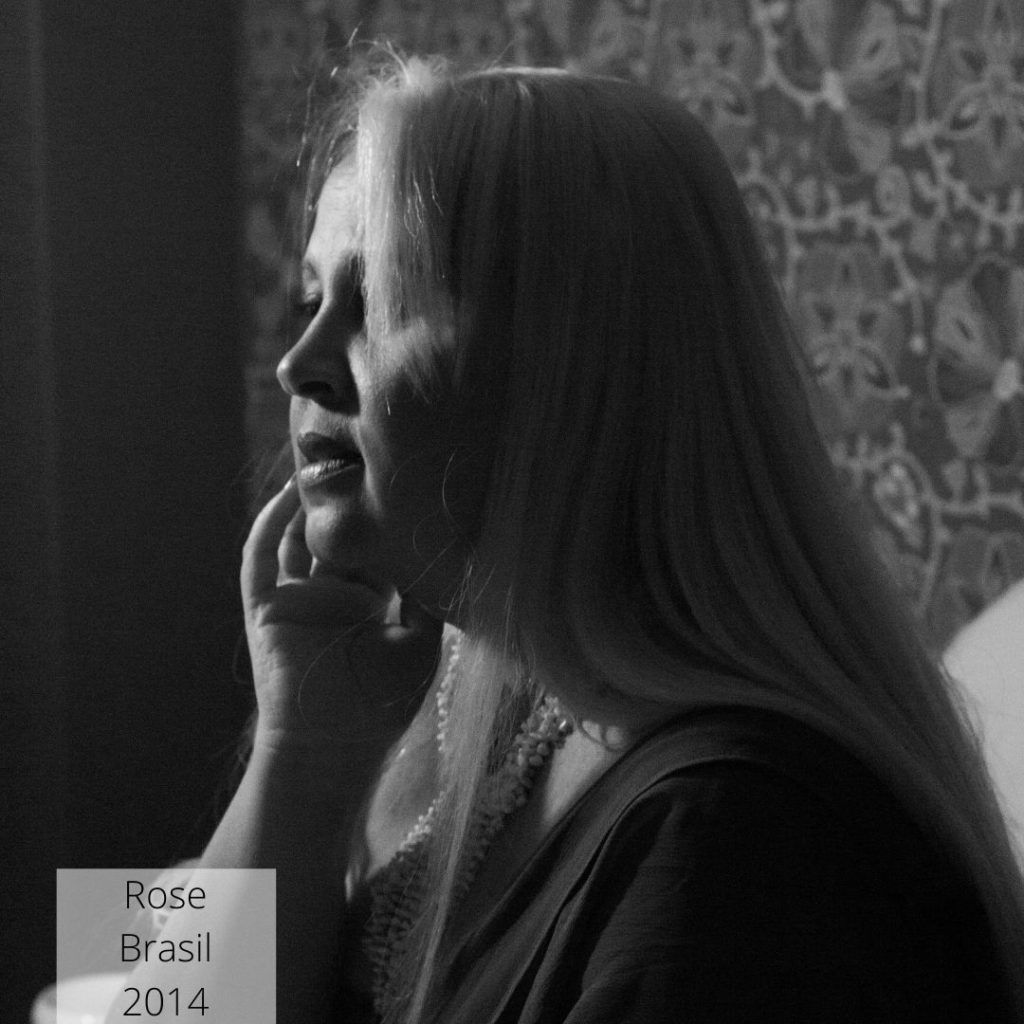
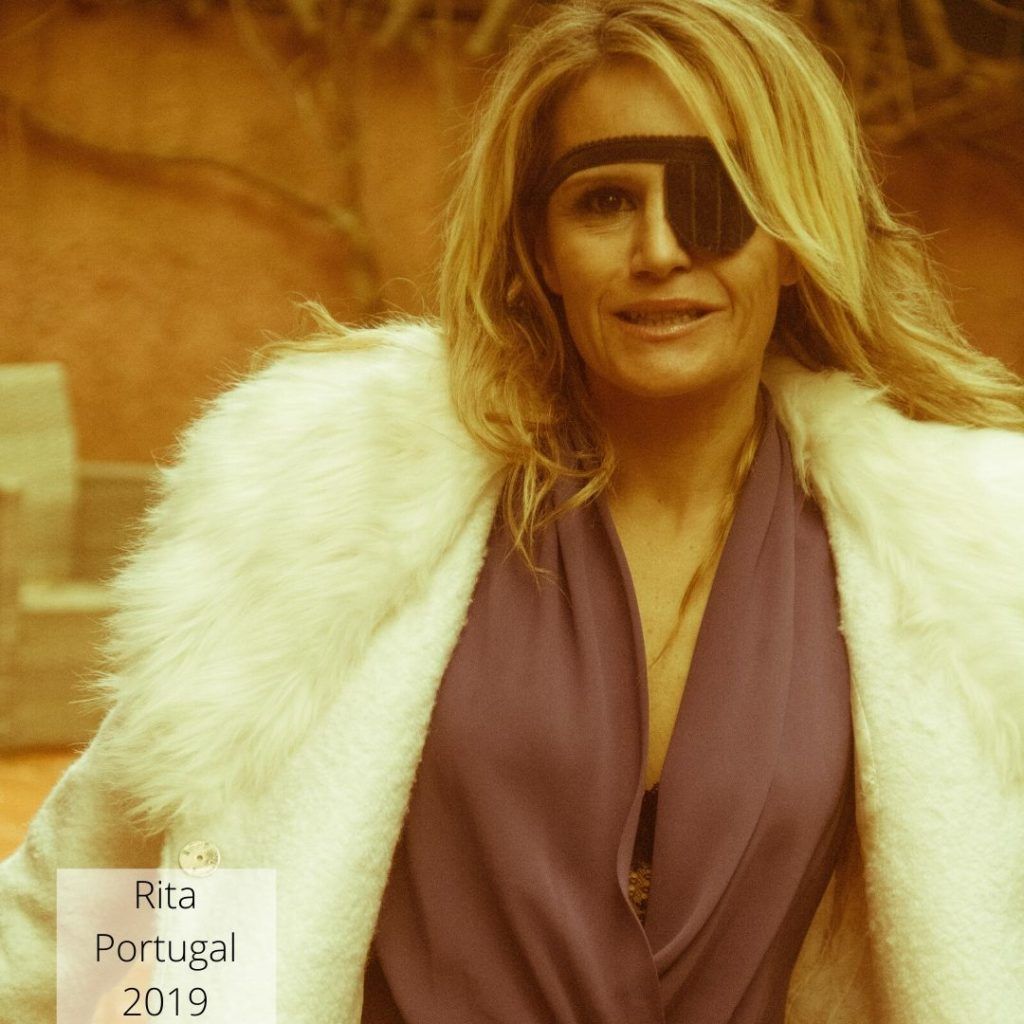
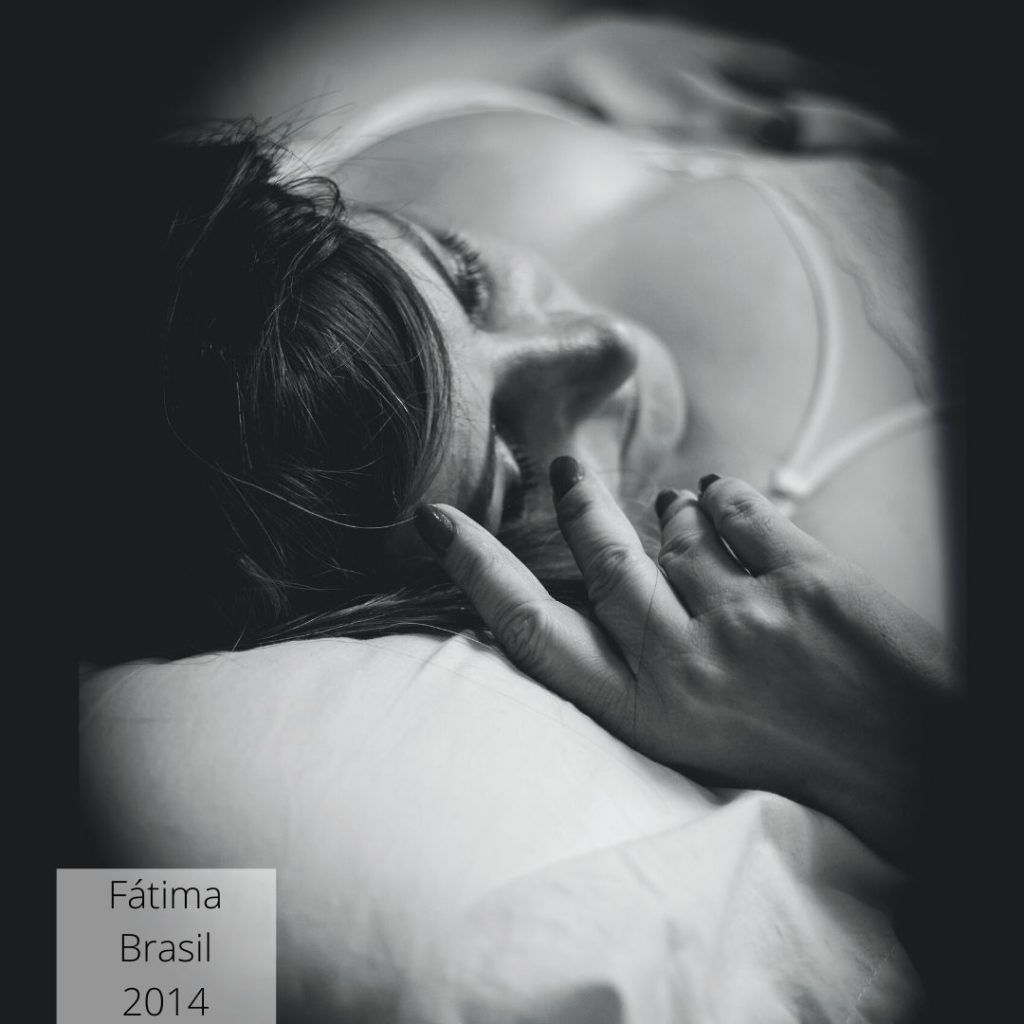
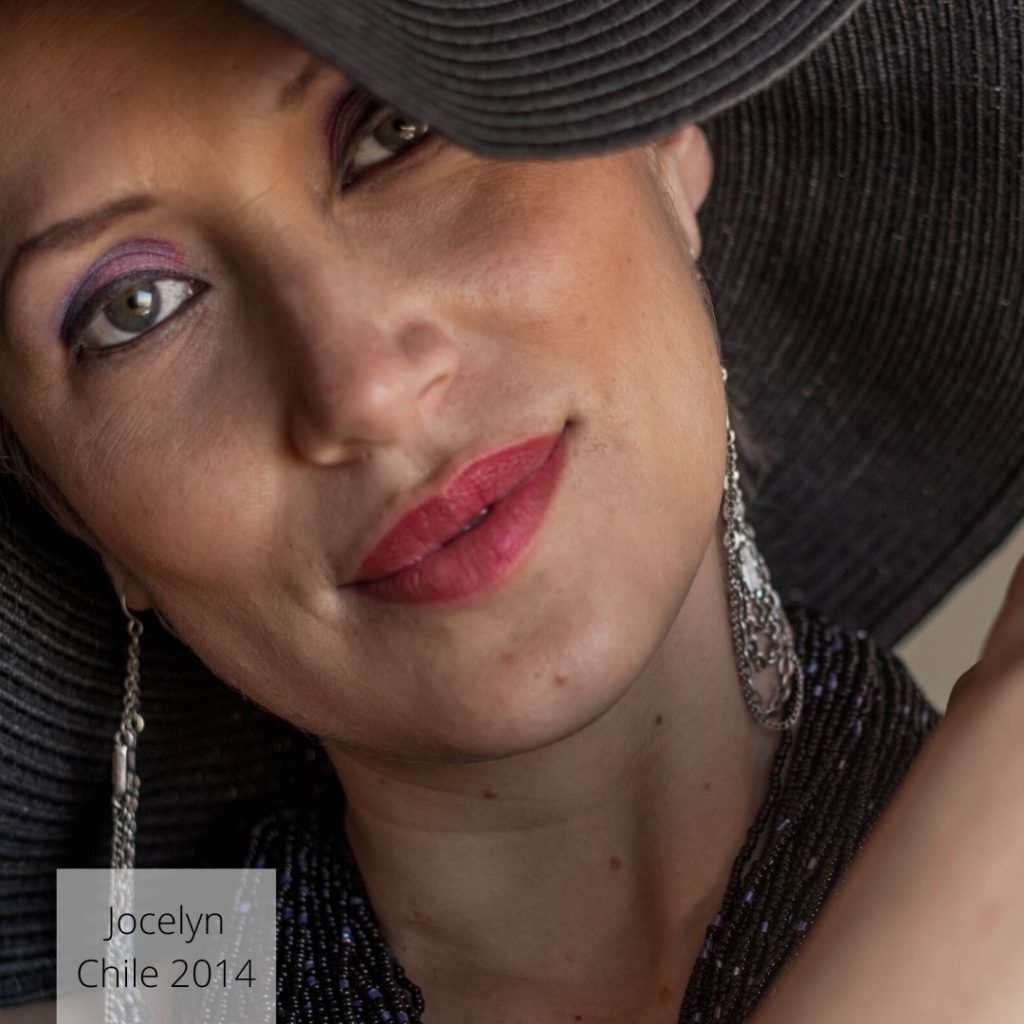
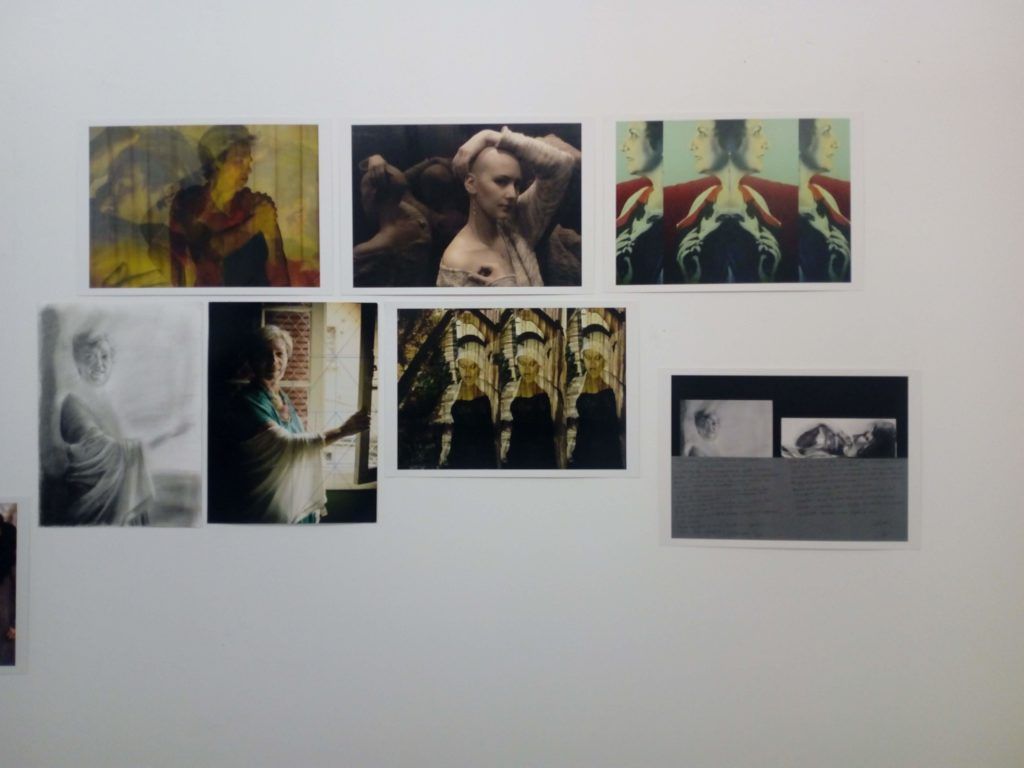
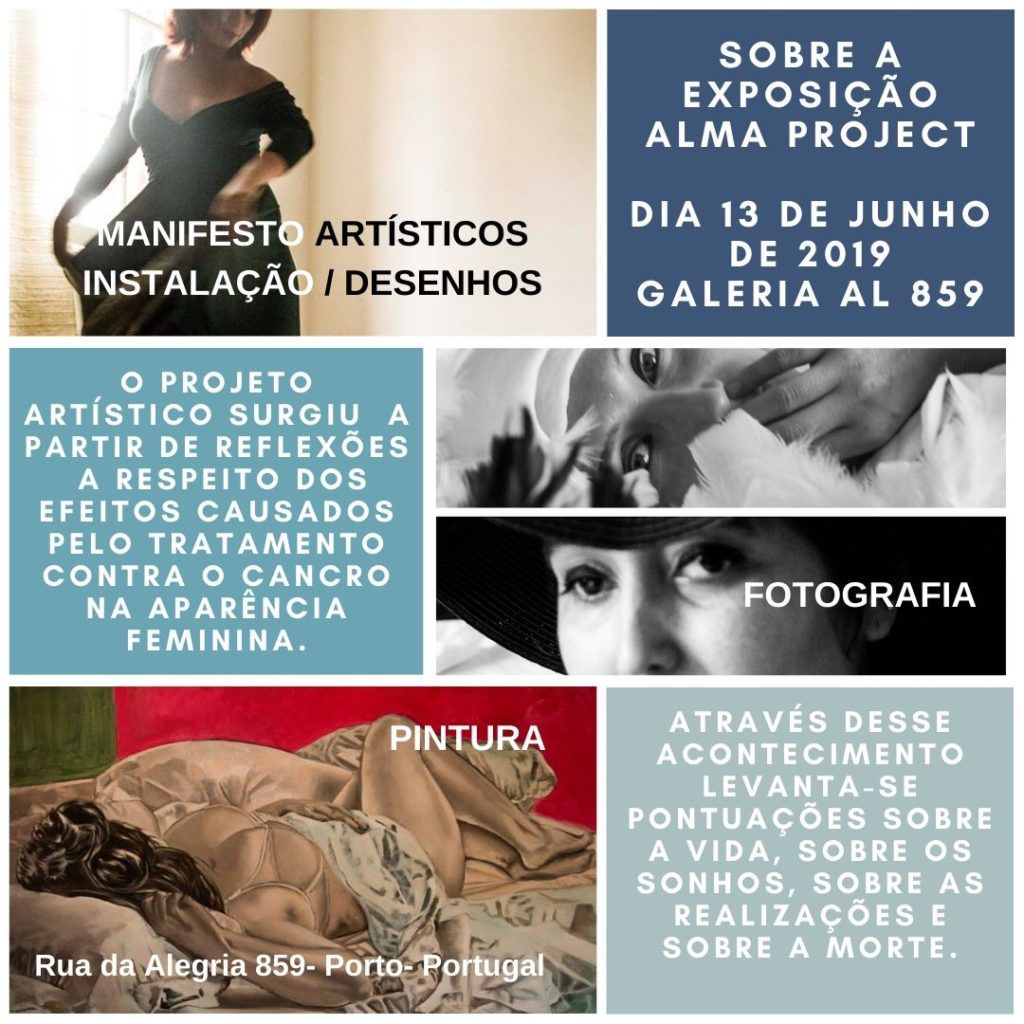
Photography allows us to preserve and evoke emotions, prolong memories, and recognize ourselves through our own image. Below is a small sample; additional participants from Spain and Portugal still need to be photographed. This visual record will serve as the foundation for the creation of other artistic expressions.
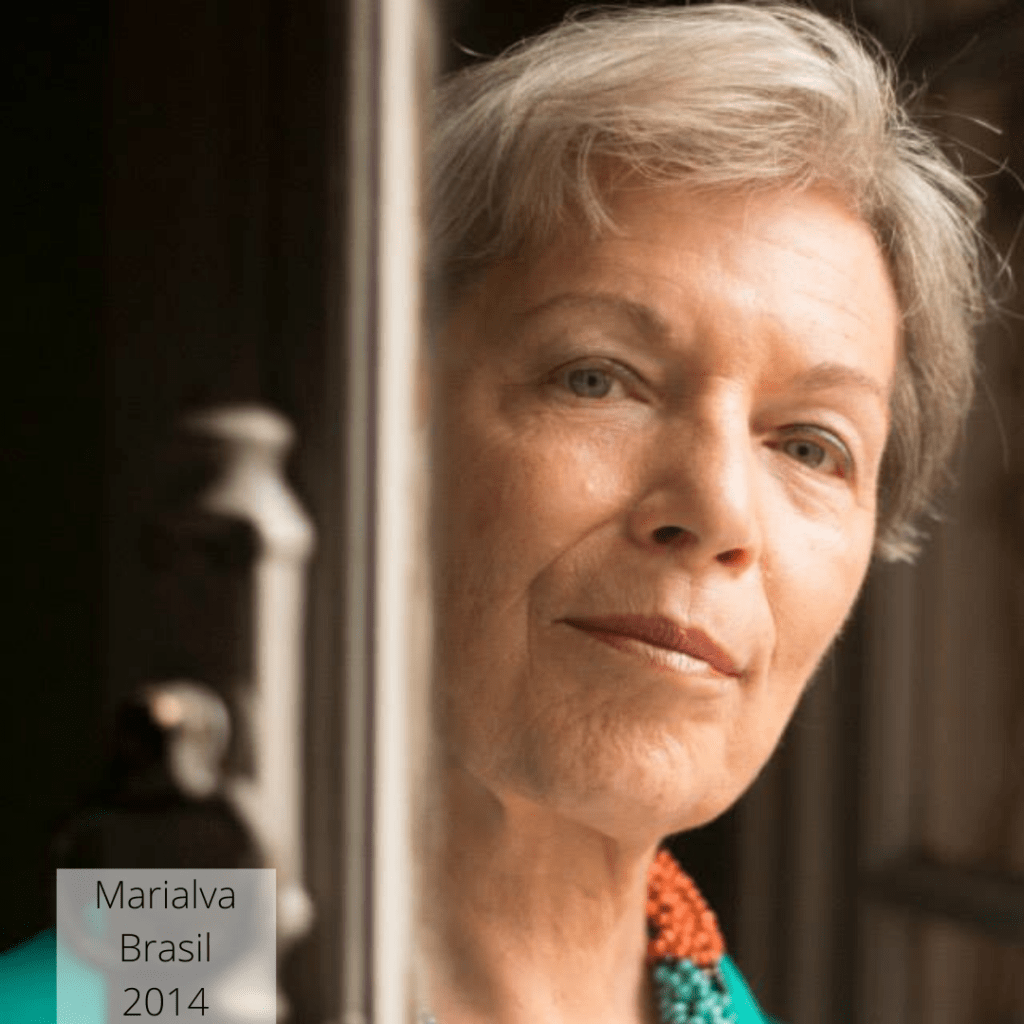
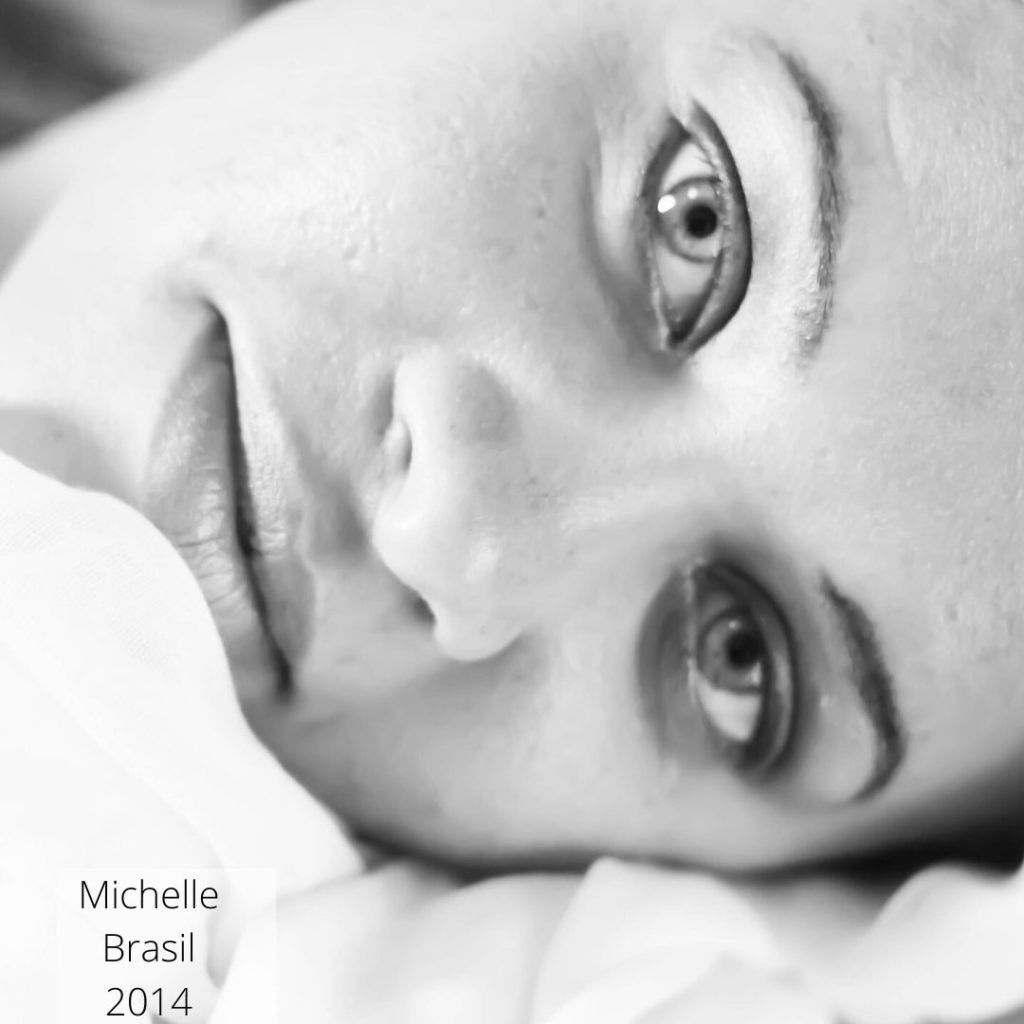
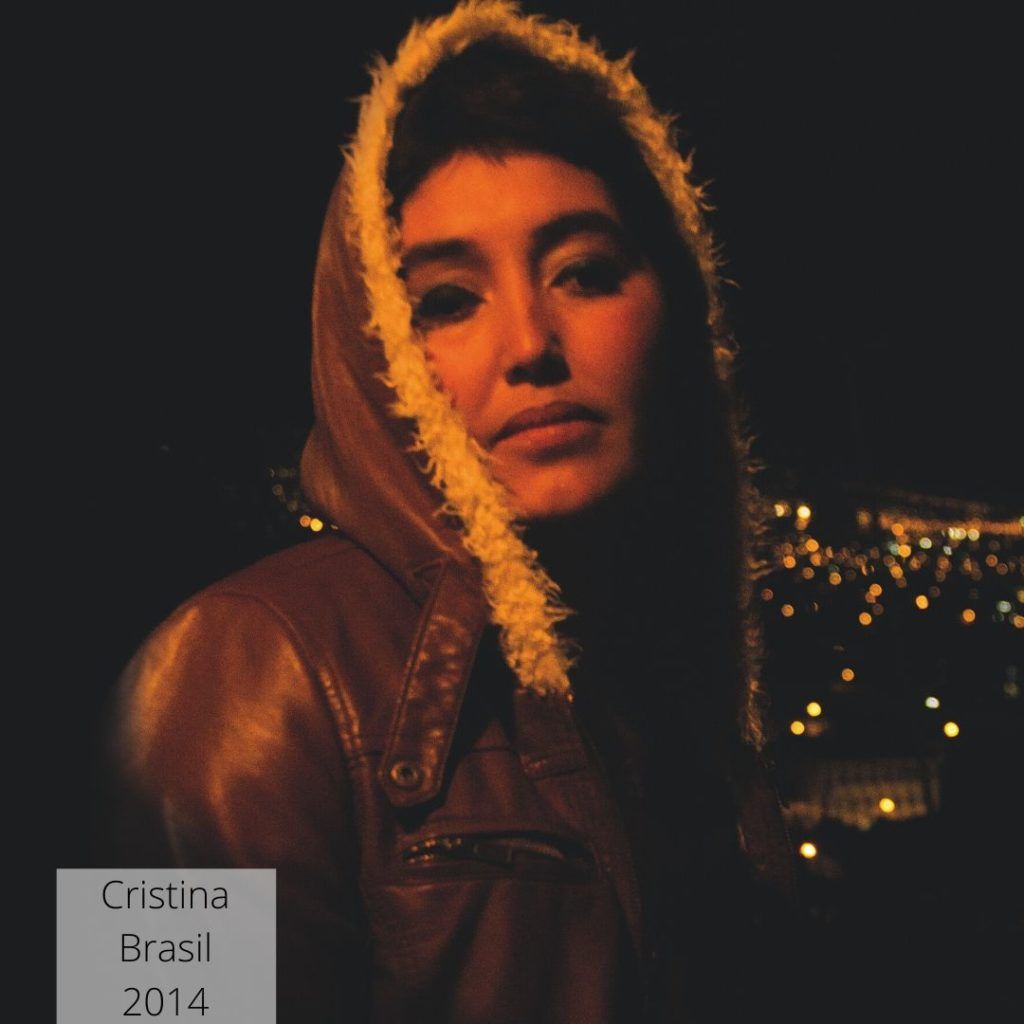
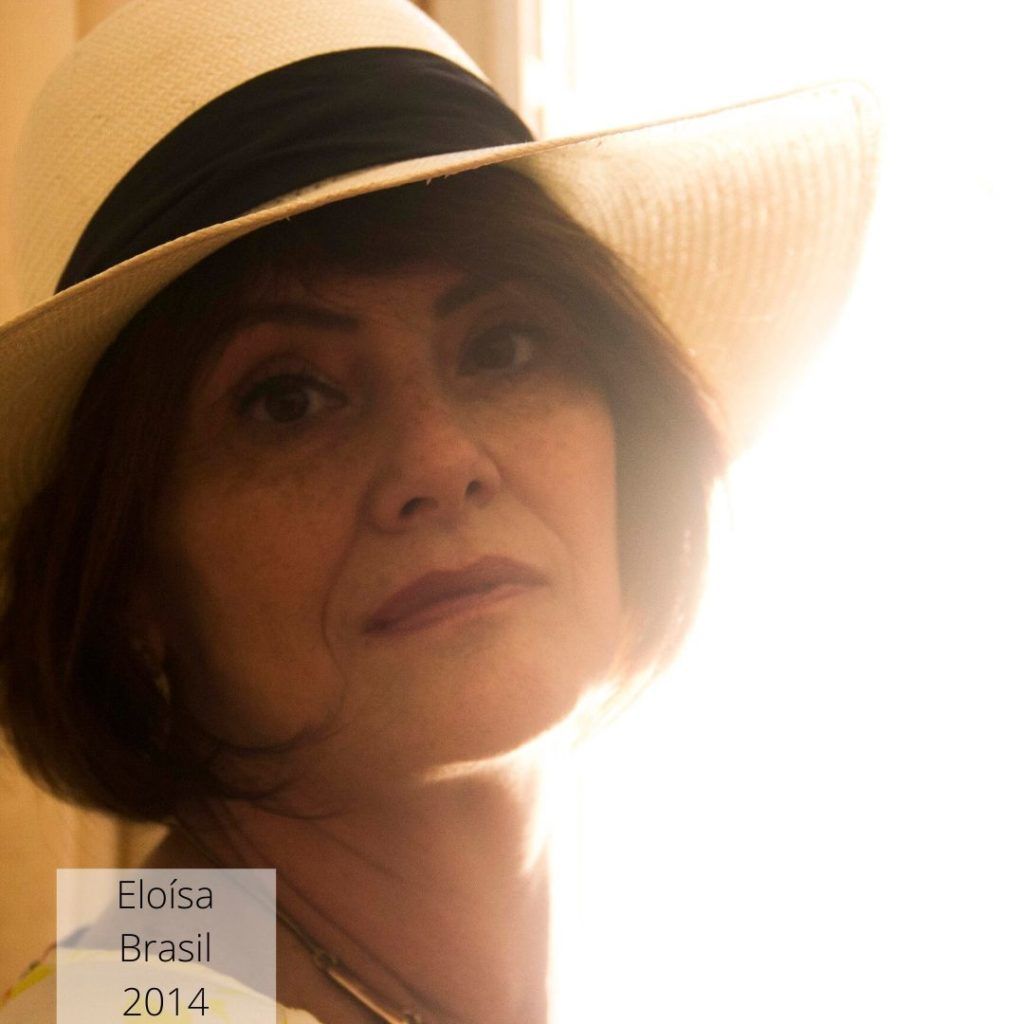
Painting, Drawings, and Graffiti
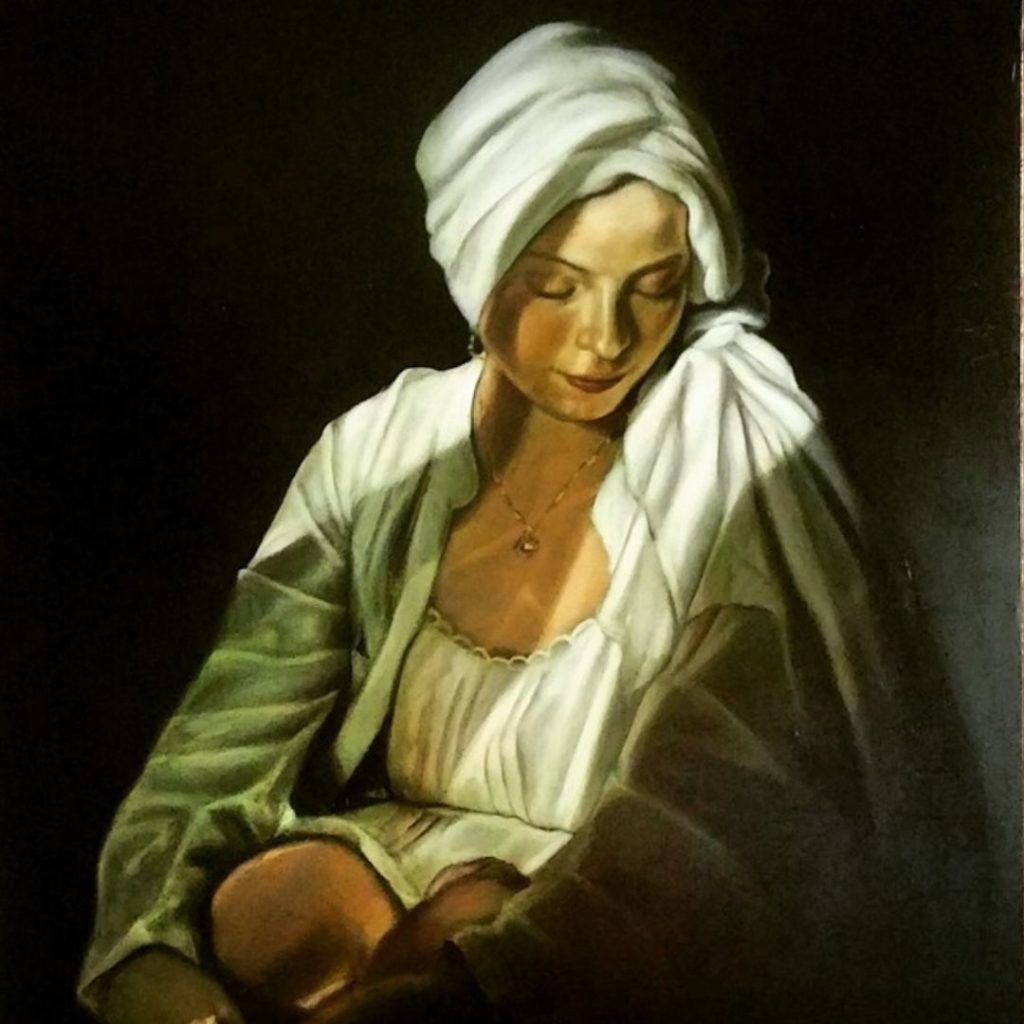
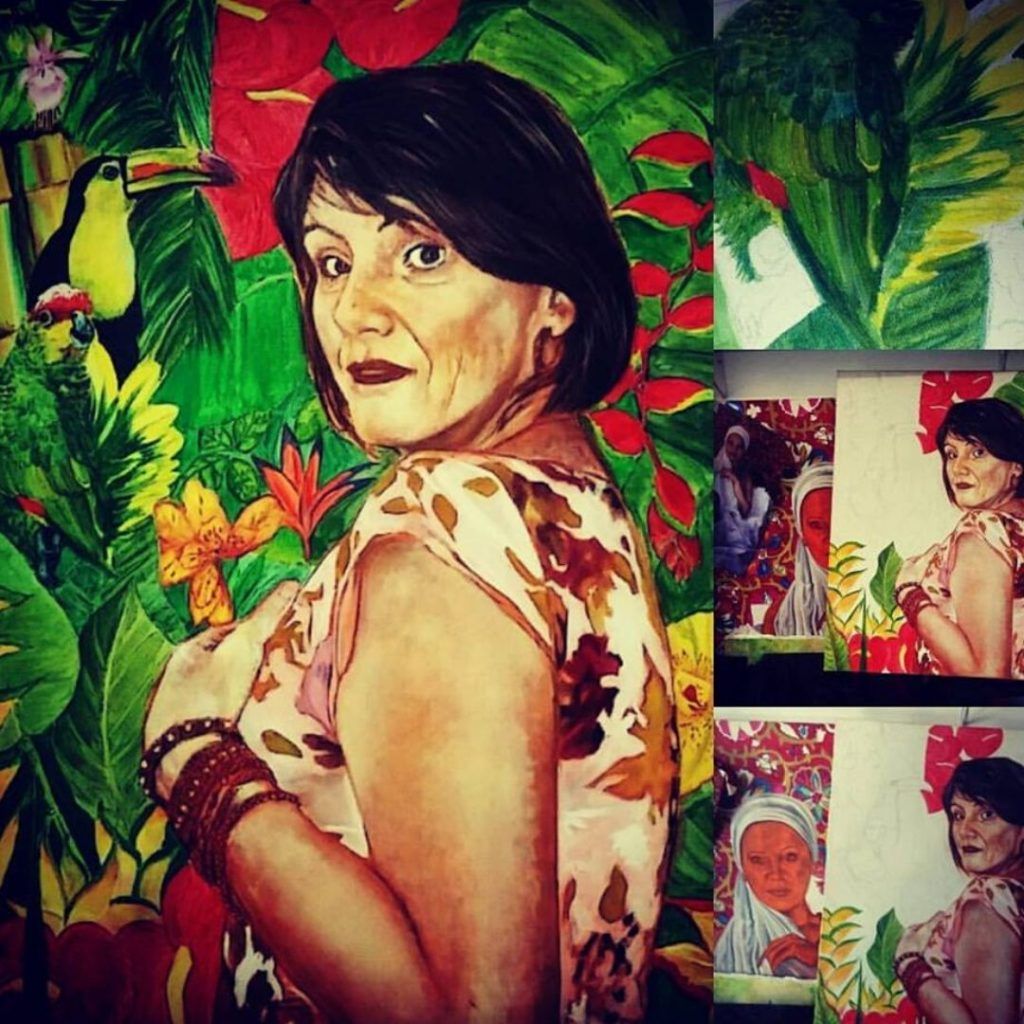
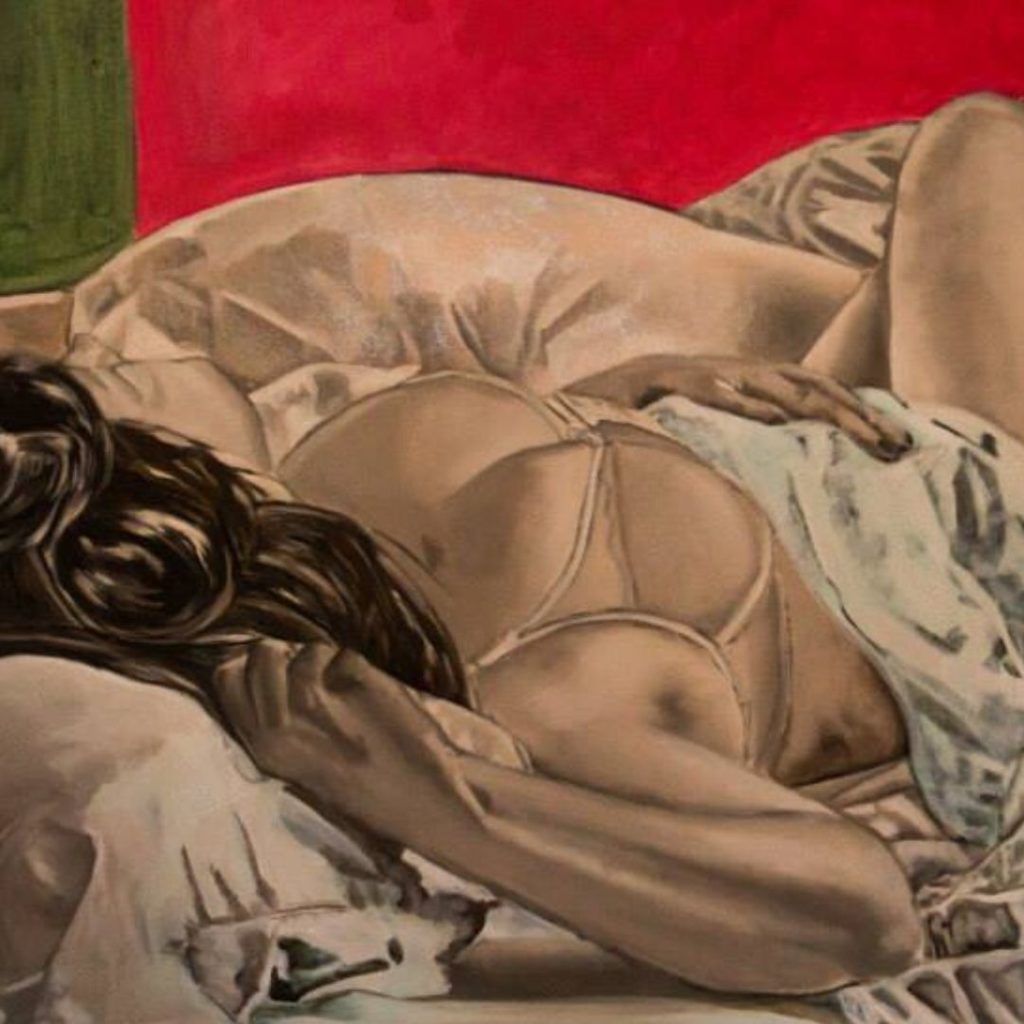
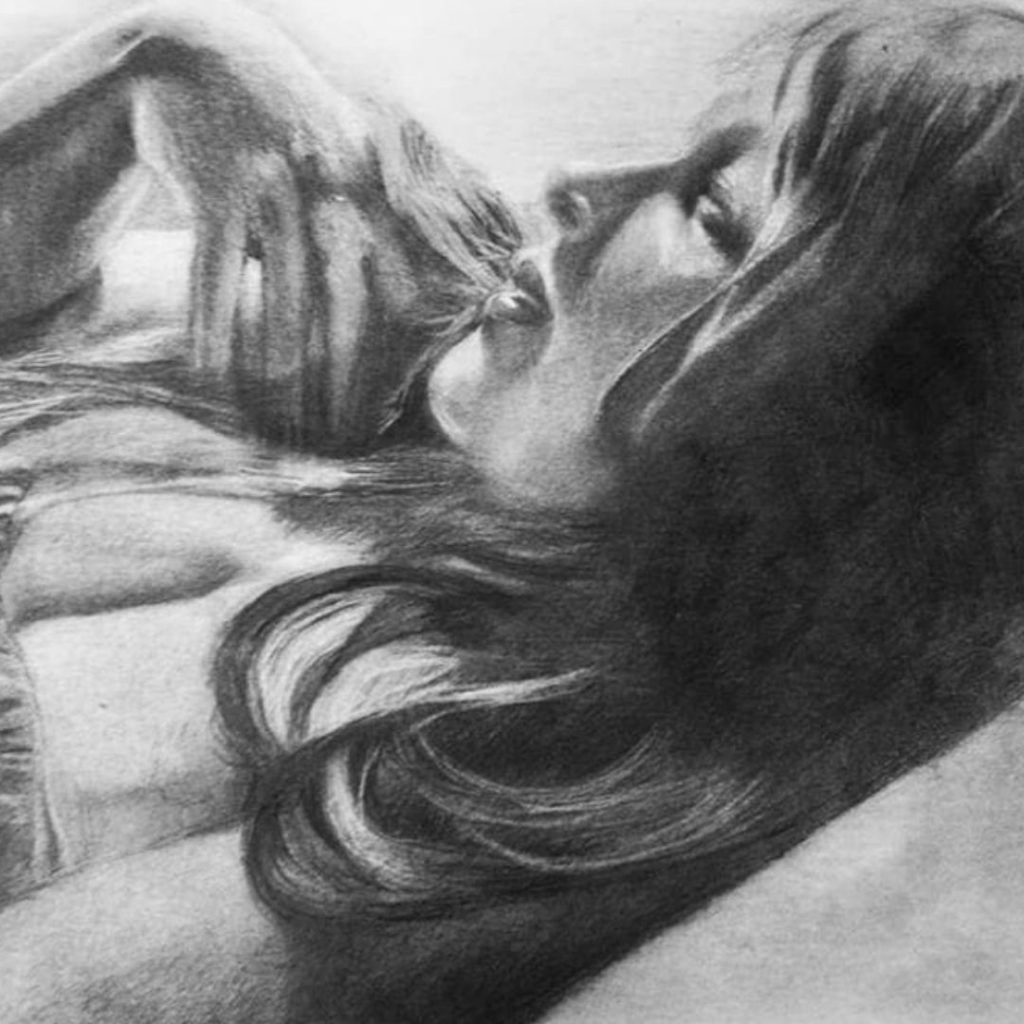
Drawing and painting are forms of poetry that help us navigate and live within the uncertainty of our existence. This is how they begin—through failures and successes—the stories of a life take shape. The images displayed below are studies in painting and drawing, serving as steps toward achieving definitive results.
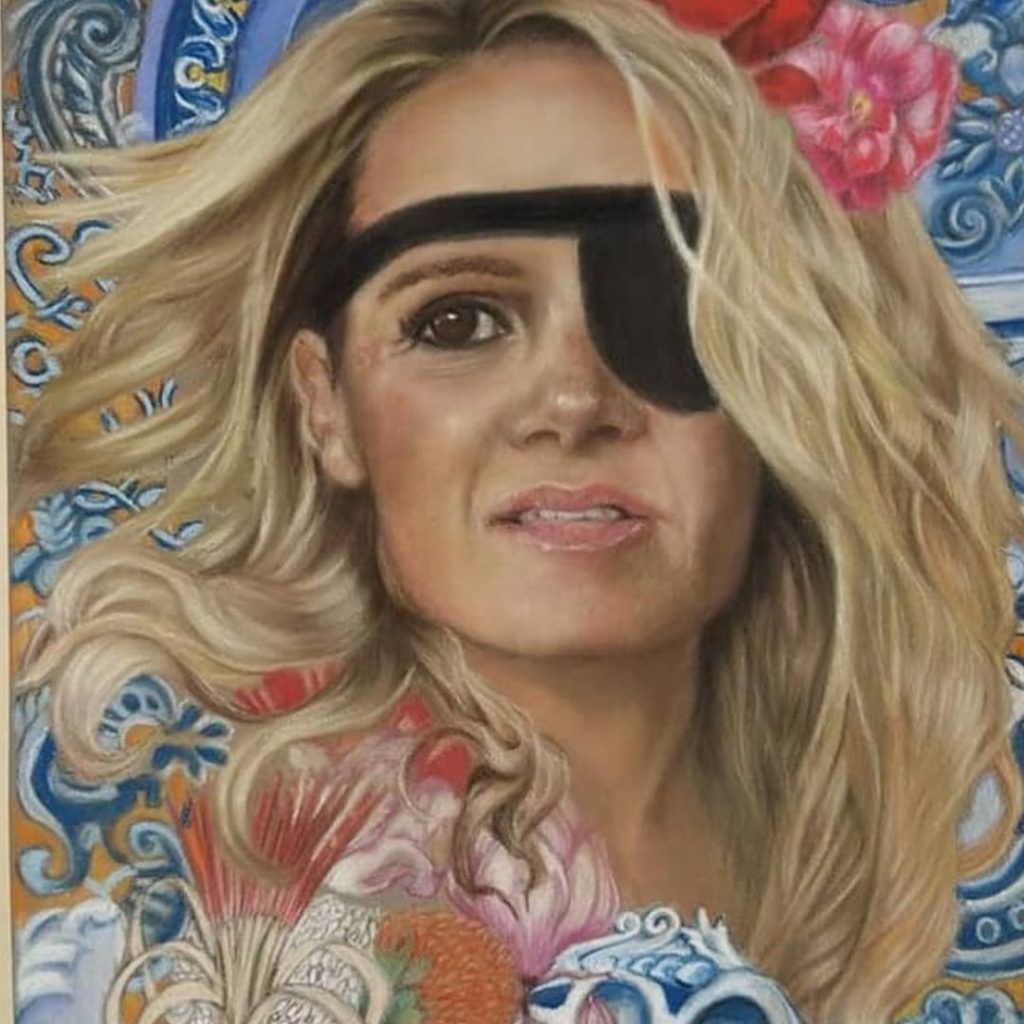
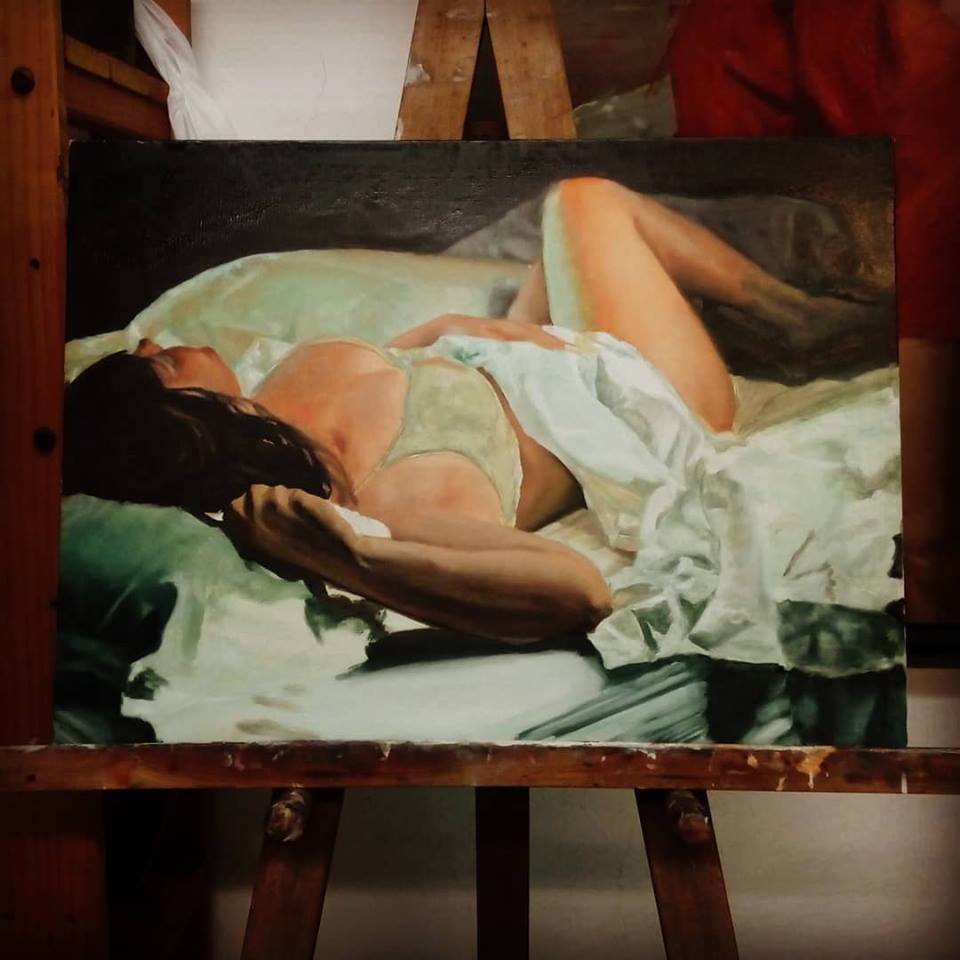
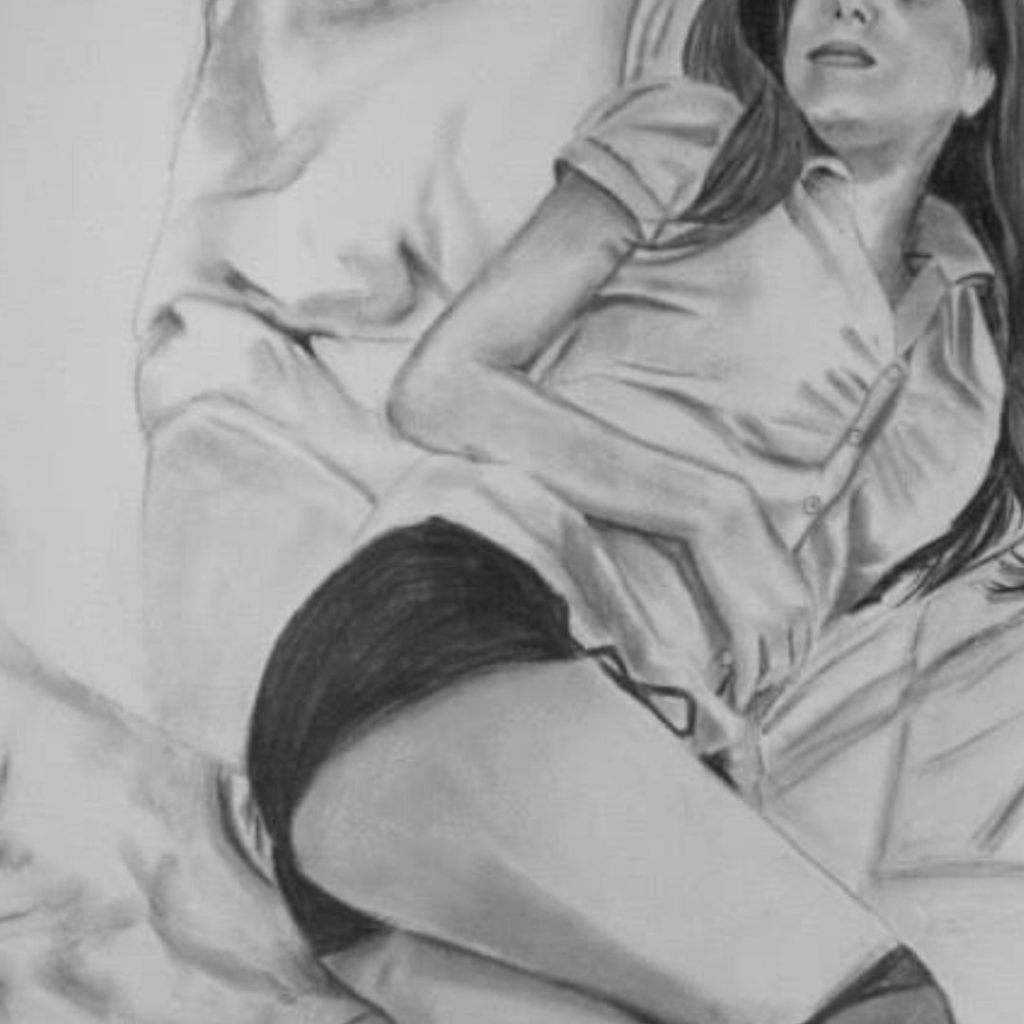
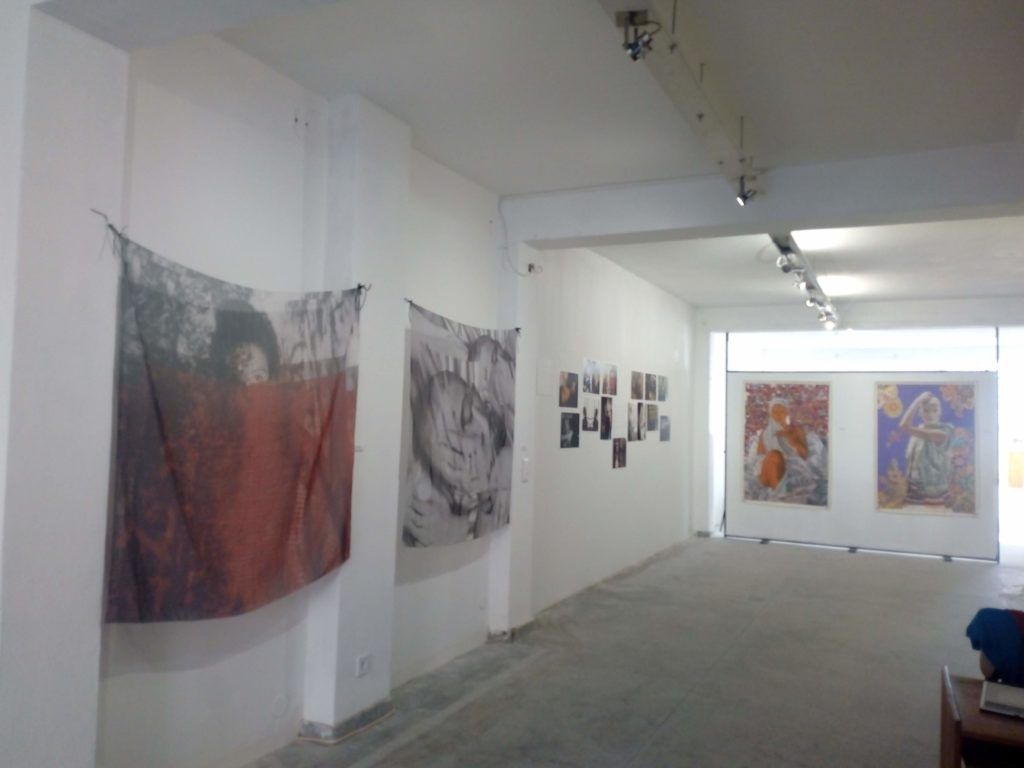
ARTISTIC MANIFESTO: “I Am Much More Than What Your Eyes Can See” – Part 1
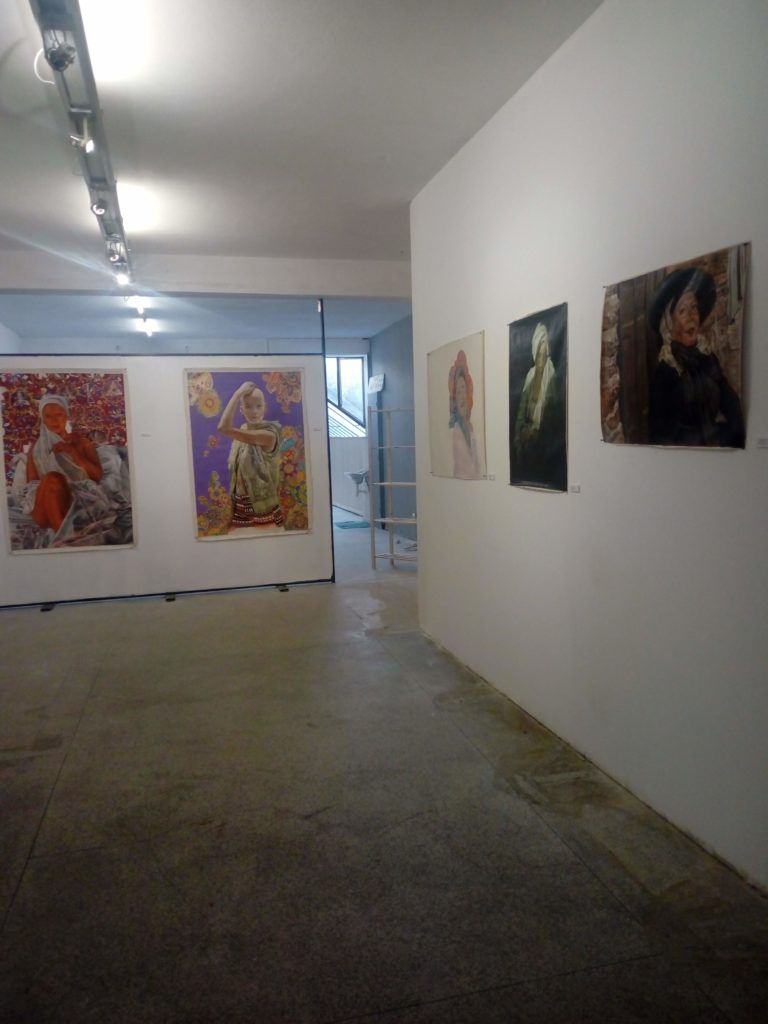
The installation consists of transparent fabrics suspended to dance with the air, with portraits displayed behind them, extending the essence of their bodies.
AL859 – Ars Longa Vita Brevis Cultural Association
Porto (Portugal, 2019)
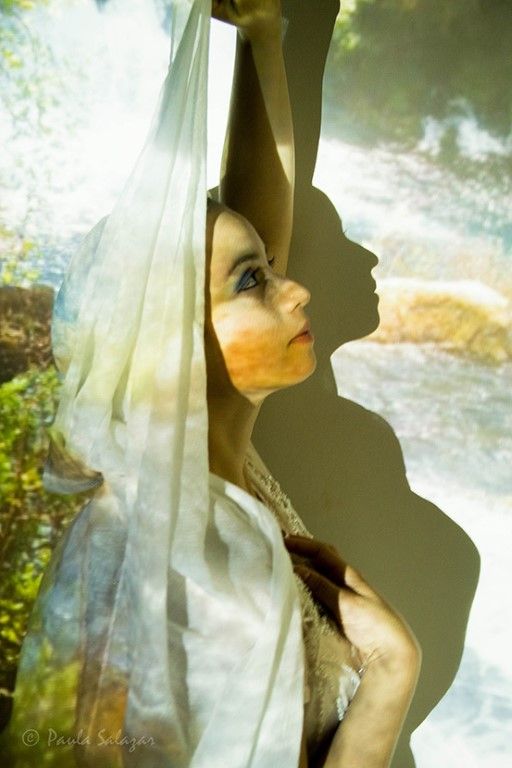
Here I leave small narrative fragments from some of the participants:
«My name is Stephanie Oyonarte da Rocha. I am 40 years old, and I was born in Paris. My mother is Portuguese, and my father is from Seville. Since I was a child, I have always loved drawing. My mother used to say that I had so much of an artist within me. Ceramics and porcelain are among the things I am most passionate about.»
– Stephanie Oyonarte
When the 2020 pandemic hit, Stephanie was about to undergo another surgery. During her recovery, she had to walk one kilometer a day. She would climb to the building’s rooftop and walk nonstop, wearing her mask, until she completed the kilometer. She did this every day for months, and I often found her walking there.
«I am Rose Reis de Souza, a professor and coordinator of the Advertising program.»
The details of her face gave me a vague sense of what she might have looked like at 20 years old. I am always curious about what someone was like during their childhood, sometimes in adolescence, or at 20.
«When I arrived in São Paulo at the bus station, I was 4 years old, and my sister was 3. My mother came without knowing my father’s address, with nowhere to go and nothing else… on the bus, without food. She thought São Paulo was a small town and didn’t have an address, didn’t have anything, and had two daughters with her.»
What Rose’s mother didn’t know was that São Paulo is a massive city.
«We stayed at the bus station until a stranger took us into her home. We then continued my mother’s mission, which was to try to find my father in this big city.»
Short Film
The short film will document the testimonies of the women, the creation of the artistic works, the involvement of collaborators, and reflections on identity construction. It will explore the connections between the chosen artistic mediums and delve into discussions about human and cultural relationships that shape individual perspectives on life and death.
Through this multidimensional narrative, the film aims to weave together personal stories, artistic processes, and philosophical insights, offering a profound exploration of resilience, self-expression, and the human condition.
Workshops: «I Am Much More Than What Your Eyes Can See» Part 2
Workshop Phases:
Written Narrative:
Participants will develop personal stories related to their group’s theme. Once completed, the narratives will be presented, capturing the essence and emotion of each story.
Presentations and Discussions:
This phase provides a space for collective reflection on the shared stories, fostering inclusive and enriching dialogue among participants.
Photographic Exercise:
Participants will engage in a session of self-portraits and portraits, exploring their emotional connection to the theme. The final portraits will be taken by the artist as a visual interpretation of these experiences.
Project Status:
The production of the visual record is currently underway and serves as the foundation for the artistic expressions that will be created. The paintings and drawings presented on this page are studies for the final results.
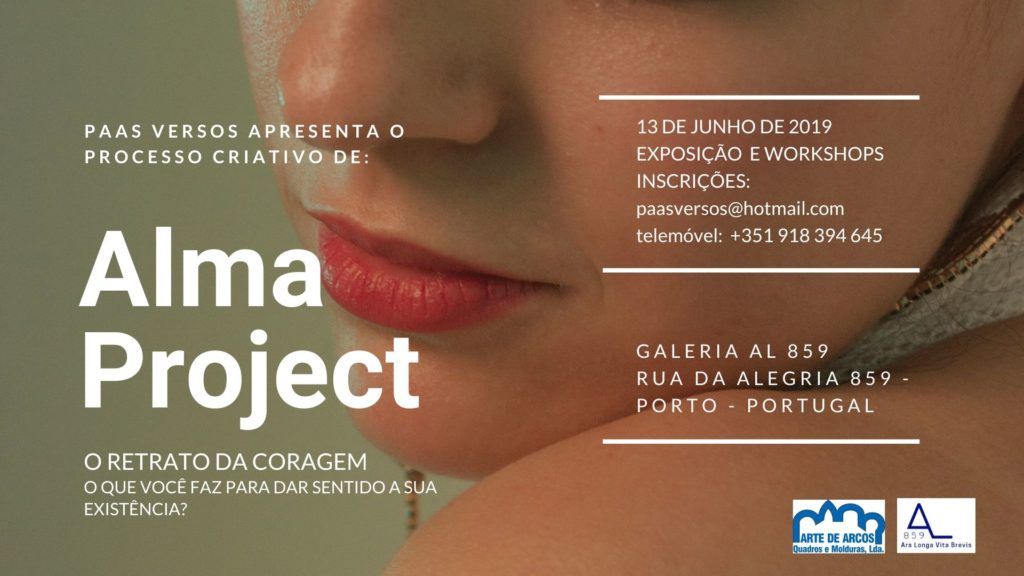
Part of the material was exhibited in Portugal at two events: in Porto in 2019 and at AL859 – Ars Longa Vita Brevis Cultural Association at Espaço Compasso in 2020, accompanied by workshops and presentations.
Additionally, we have videos and promotional materials about the project produced in Chile, Brazil, and Portugal, with contributions from Brenda Lua and Larissa.Oliveira en el Espaço Compasso).
Posters and Interviews Publicity
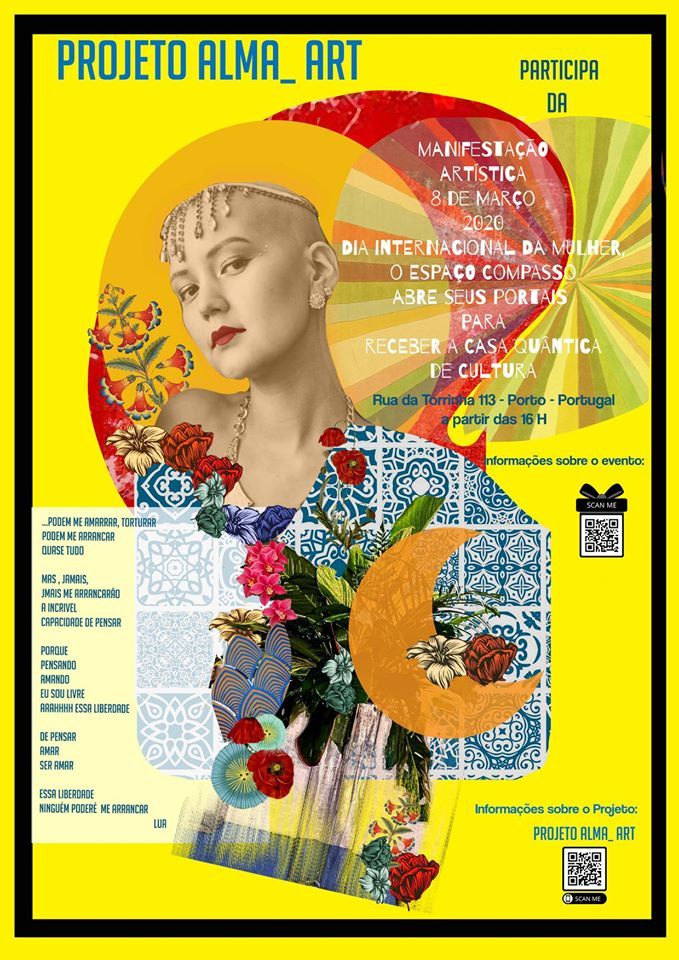
Performance by Actress, Writer, and Producer Brenda Lua and Larissa Oliveira
Promotional collaboration between Casa Quântica de Cultura and the Alma Project.
2020 – Celebration of International Women’s Day (8M)
Porto, Portugal
This performance highlighted the power of artistic expression in addressing themes of resilience, identity, and femininity, blending narrative and visual elements to honor the spirit of the Alma Project during this significant cultural event.
8M Celebration and Alma Project
2020 – Porto, Portugal
This event was a tribute to International Women’s Day (8M) and the Alma Project, combining art, storytelling, and performance to celebrate resilience, identity, and the strength of women.
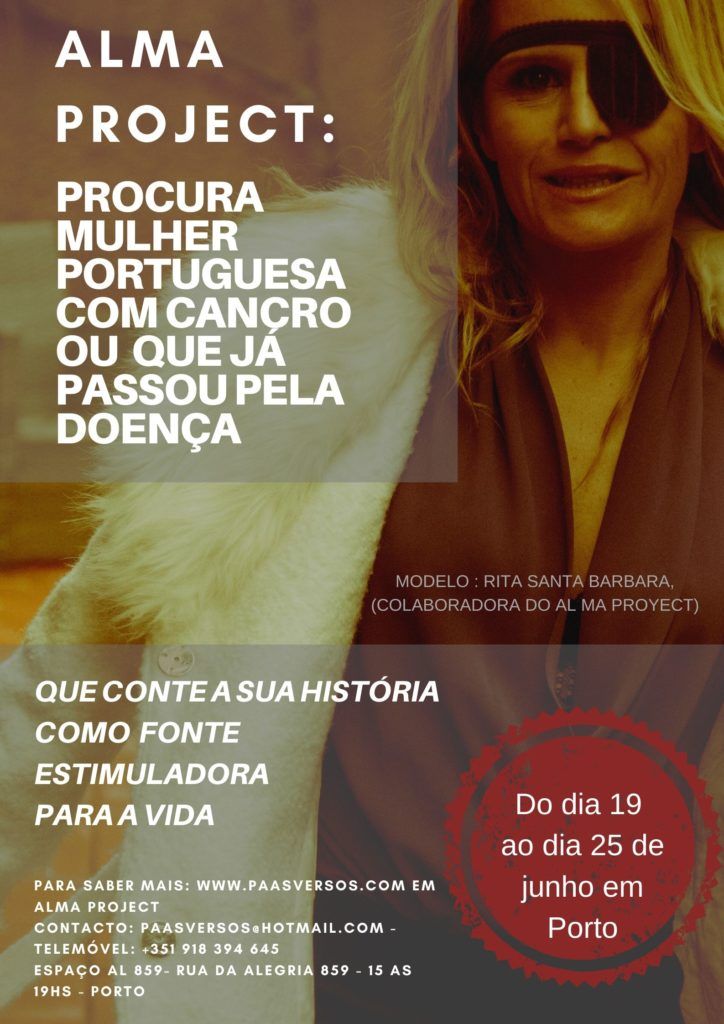

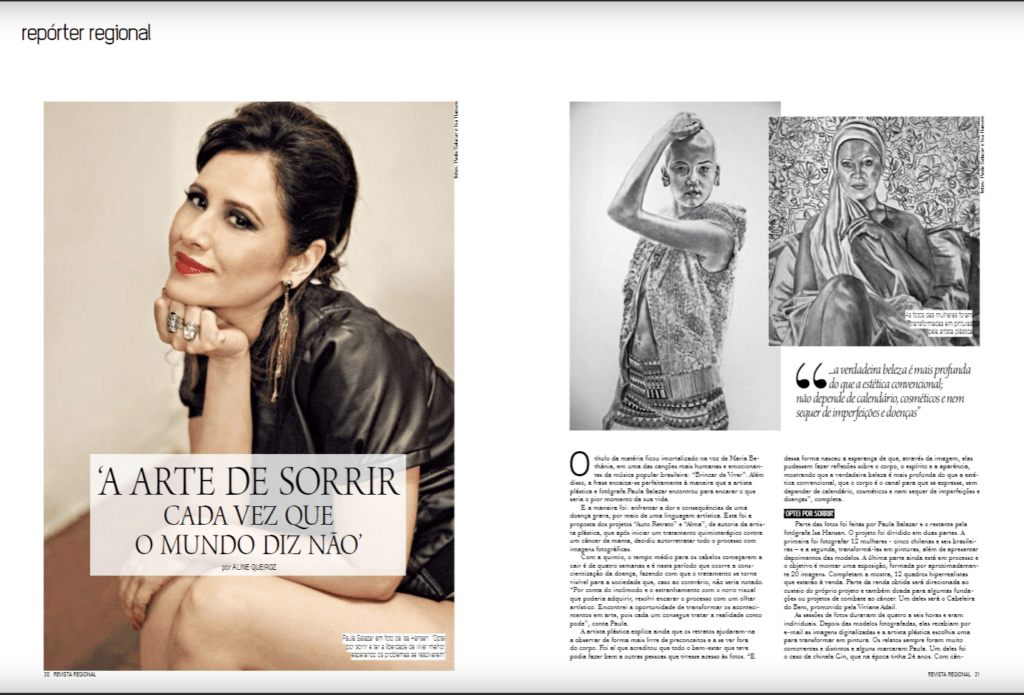
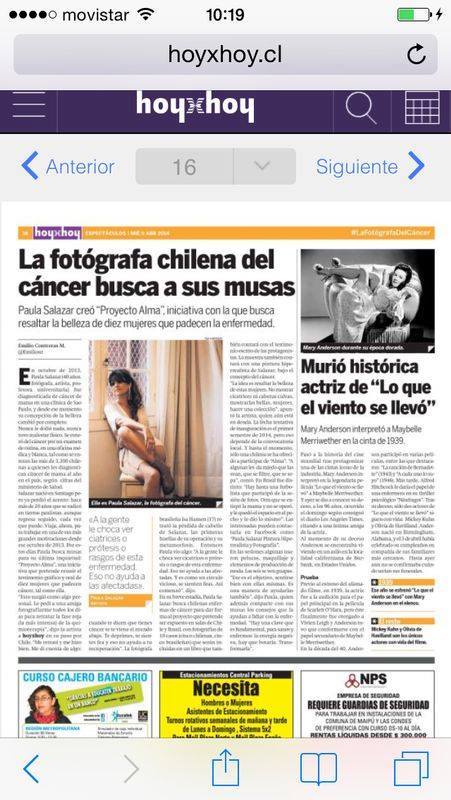
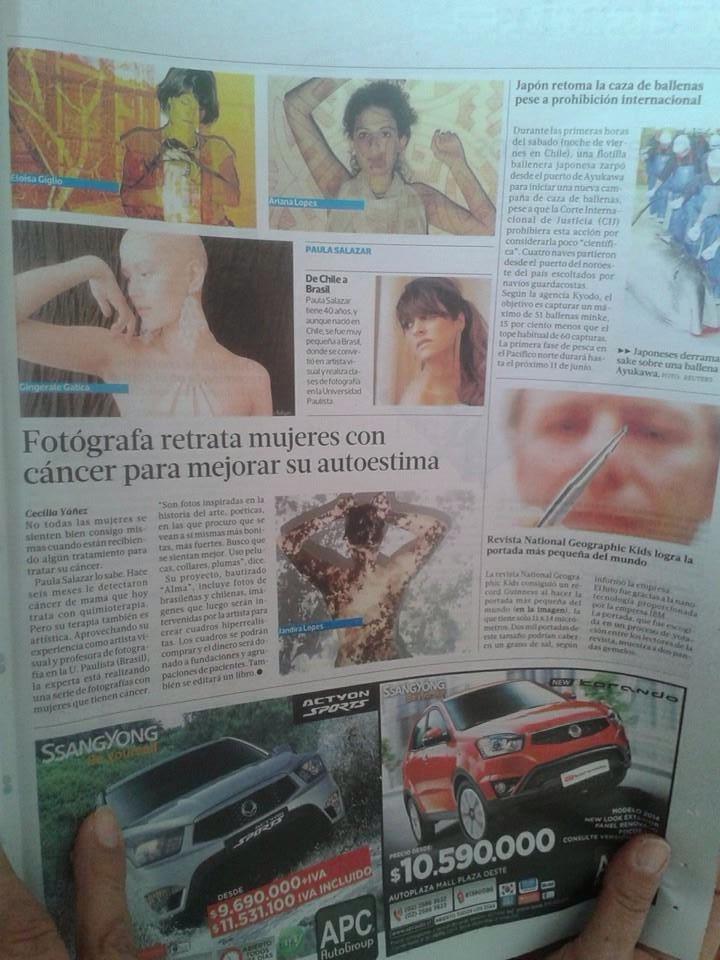
Links to the Interviews:
https://issuu.com/revistaregional/docs/regional_julho_ed147
https://www.facebook.com/portugalobjetivo/videos/626429394501206/
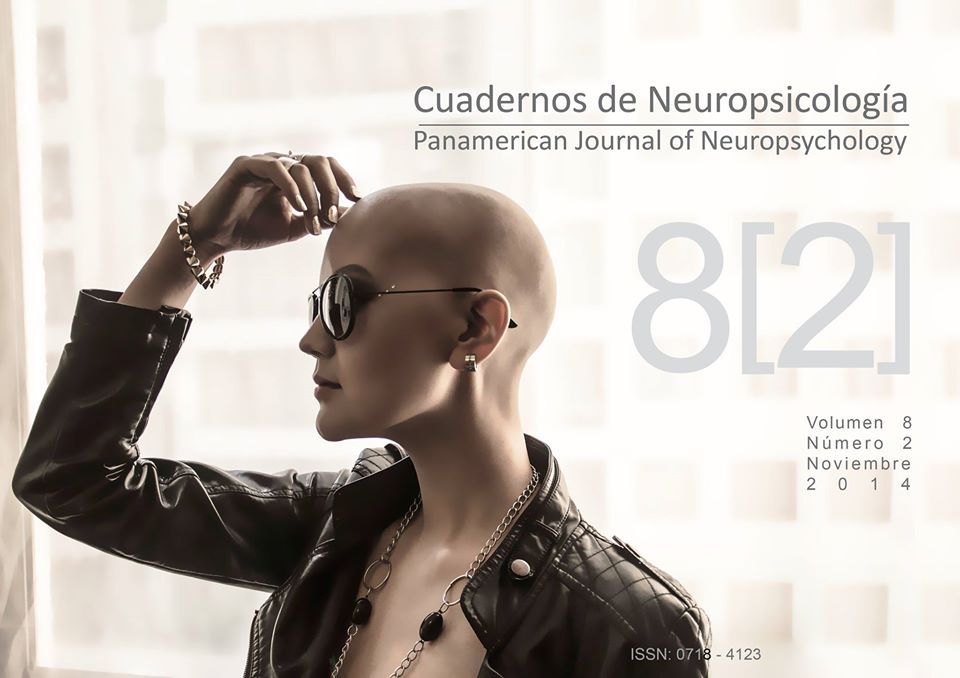
Cover of the Cuadernos de Neuropsicología – Panamerican Journal of Neuropsychology: http://www.cnps.cl/index.php/cnps/article/view/163/166